

- Department of Developmental Services (DDS)
- MassHealth Overview and Services
- Self-Direction and Adult Autism
- Department of Developmental Services (DDS) Eligibility and Prioritization
- Social Security and Supplemental Security Income
- Housing and Accessory Dwelling Units (ADUs)
- Transportation
- MassAbility
- Healthcare
Public Resources
Overview
As you work towards a safe and secure plan for your loved one’s future, it’s important to understand the scope of public resources that may be available to your family. The pages below contain information on what is available at the state and federal level, the eligibility requirements, how to apply and more.

Department of Developmental Services (DDS) Overview and Services
In Massachusetts, the Department of Developmental Services (DDS) is the lead agency responsible for supporting people with intellectual and developmental disabilities (IDD), autism, Prader-Willi syndrome, and Smith-Magenis syndrome.

Department of Developmental Services (DDS) Eligibility and Prioritization
For young adults, the Department of Developmental Services (DDS) recommends beginning the adult eligibility application process at age 17.5 unless the individual is expected to graduate from high school prior to age 22.

MassHealth Overview and Services
MassHealth helps adults with intellectual or developmental disabilities (IDD) and autism access the healthcare, therapies, and supports they need to live meaningful, connected lives in their communities. MassHealth is the Massachusetts Medicaid health insurance program.

Self-Direction and Adult Autism
Self-Direction is a way for adults with intellectual or developmental disabilities (IDD) to have more choice and control over their supports. Self-Direction is offered through the Department of Developmental Services (DDS). Adults with autism, Prader-Willi Syndrome, or Smith-Magenis Syndrome who do not have an intellectual disability may receive adult services from DDS if they have a developmental disability.
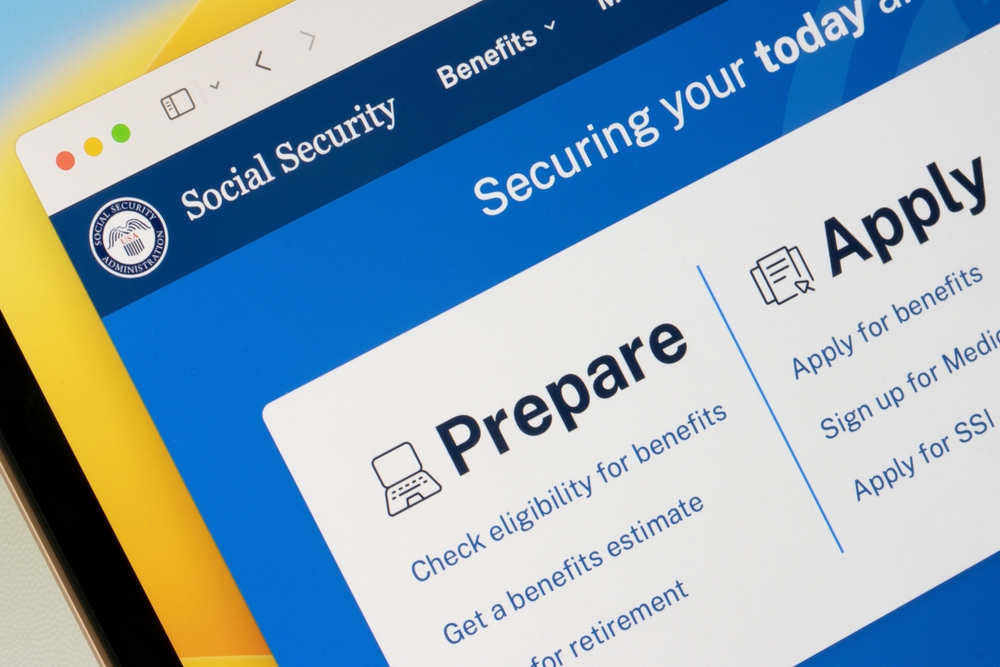
Social Security and Supplemental Security Income
Social Security is a federally funded program that provides income to millions of Americans, including retired workers, people with disabilities, and eligible dependents and survivors. Managed by the Social Security Administration (SSA), benefits are primarily determined by work history, disability status, or, in the case of Supplemental Security Income (SSI), financial need.

Affordable Housing and Accessory Dwelling Units (ADUs)
A person-centered housing plan is critical because housing is the foundation for your loved one to be able to live as independently as possible with the support needed to keep them safe, happy, and connected to their community. Before you begin exploring affordable housing opportunities, think about the level of care your loved one requires as a starting point to identify all housing options, resources, and funding available.

Transportation
Individuals with disabilities have several options for transportation to and from medical appointments, social activities, or employment. Most are dependent on their level of navigation ability.

MassAbility
MassAbility (formerly known as the Massachusetts Rehabilitation Commission) offers a range of services that enable people with intellectual and developmental disabilities and/or autism to live as independently as possible. The agency provides services around pre-vocational training while in school, career planning, employment training, home and community life, school-to-work transition, and secondary school support.

Healthcare
MassHealth is Massachusetts’ Medicaid program, a federal-state partnership that provides essential health coverage for people with disabilities, as well as children and families with limited income. Medicare is a federal health insurance program that provides important coverage, but it works differently than MassHealth.
Get the latest news directly to your inbox
Sign up for the latest news, events, and ways you can get involved with The Arc.
By submitting your email you agree to The Arc terms.