
It has been an incredibly busy summer here at The Arc of Massachusetts – and you’d have to look no further than our recent work in the realm of health equity for proof of that.
From Operation House Call classes at Harvard Medical School and UMass Chan Medical School, to advocating for our Healthcare Standards Bill, to a special educational session at Massachusetts General Hospital, to the launch of our OHC Sibling Network, and finally to submitting public comment on healthcare strategy for the Interagency Autism Coordinating Committee, our team has been working tireless to advance health equity and ensure inclusive, equitable care for all people with IDD and autism.
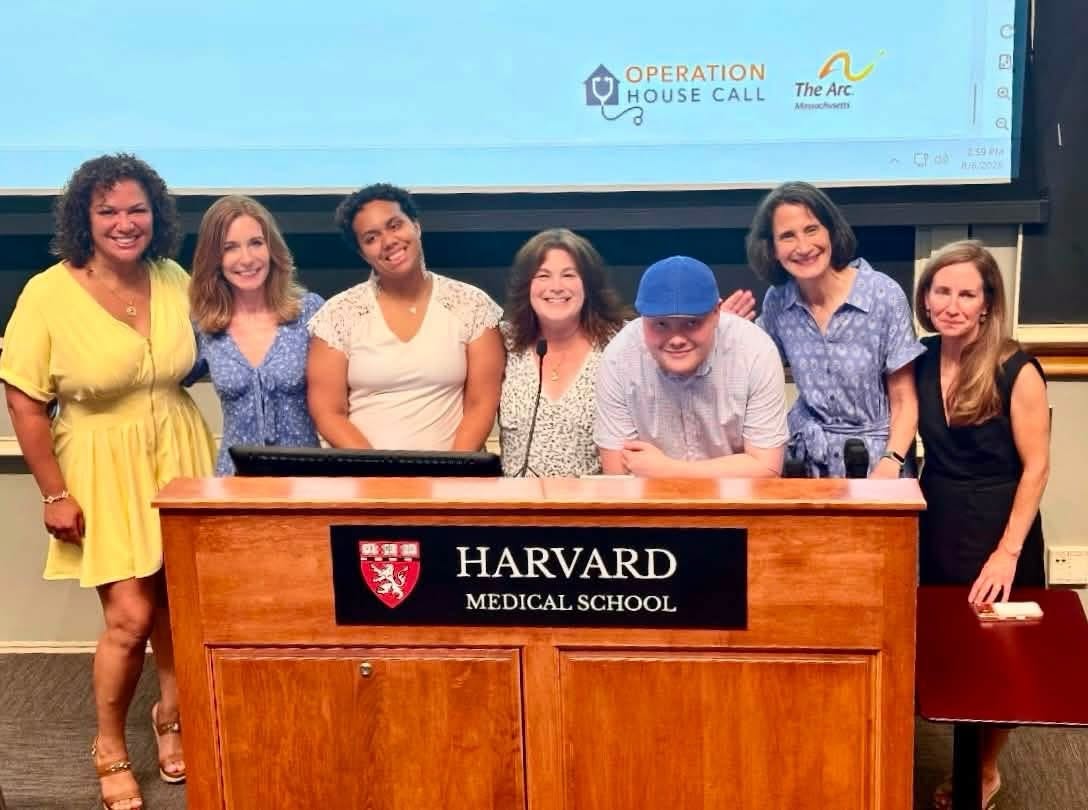
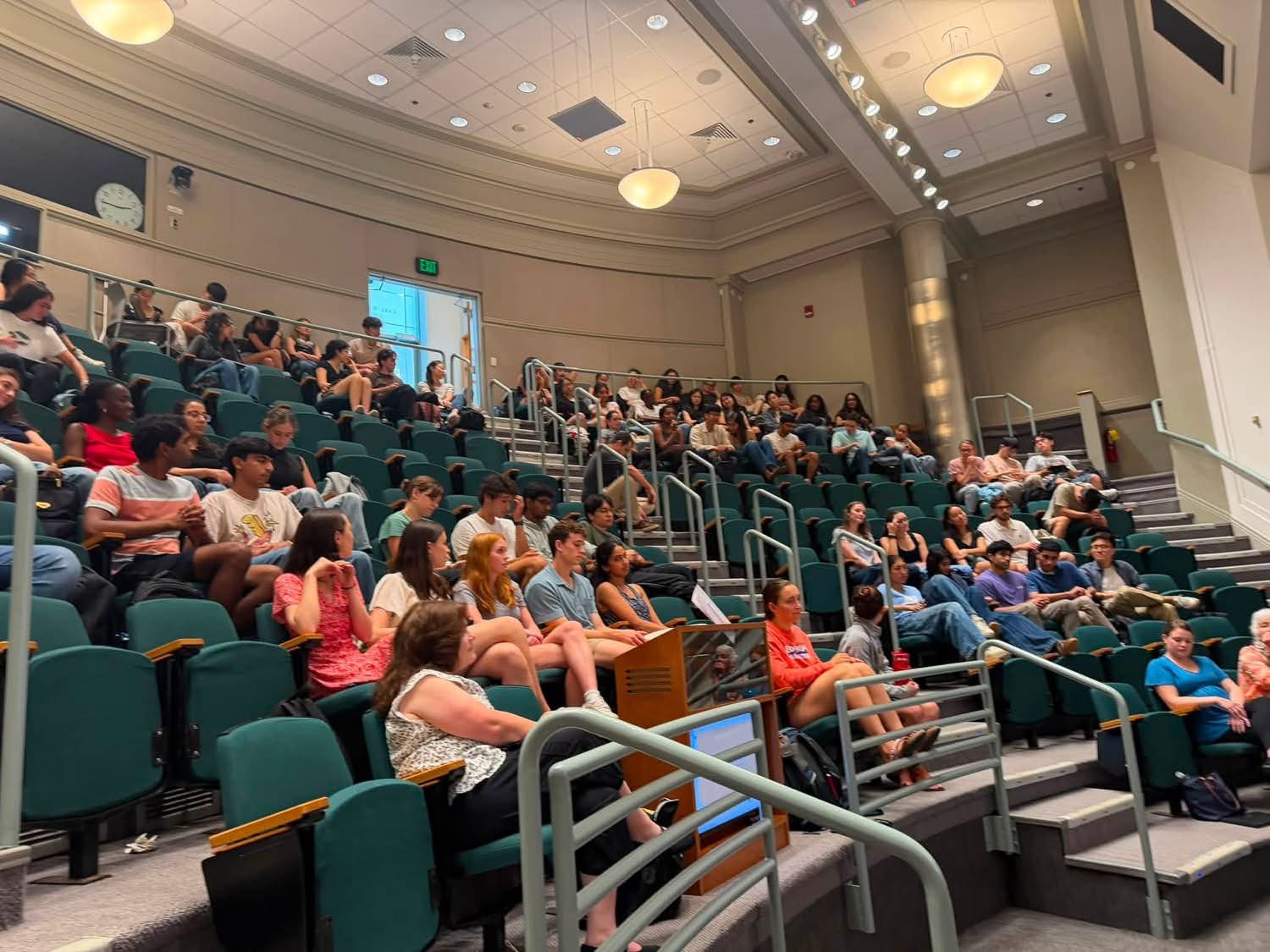
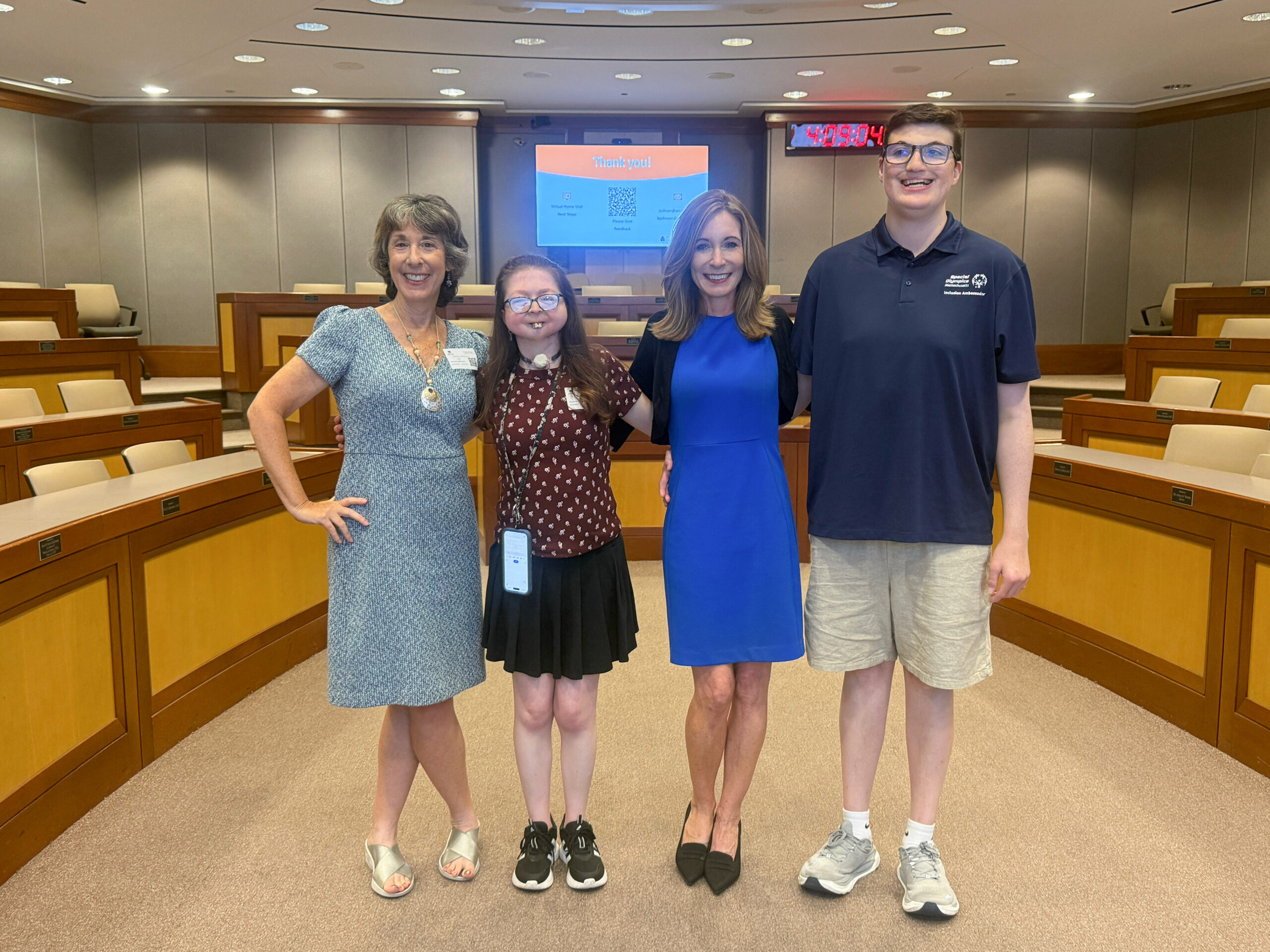
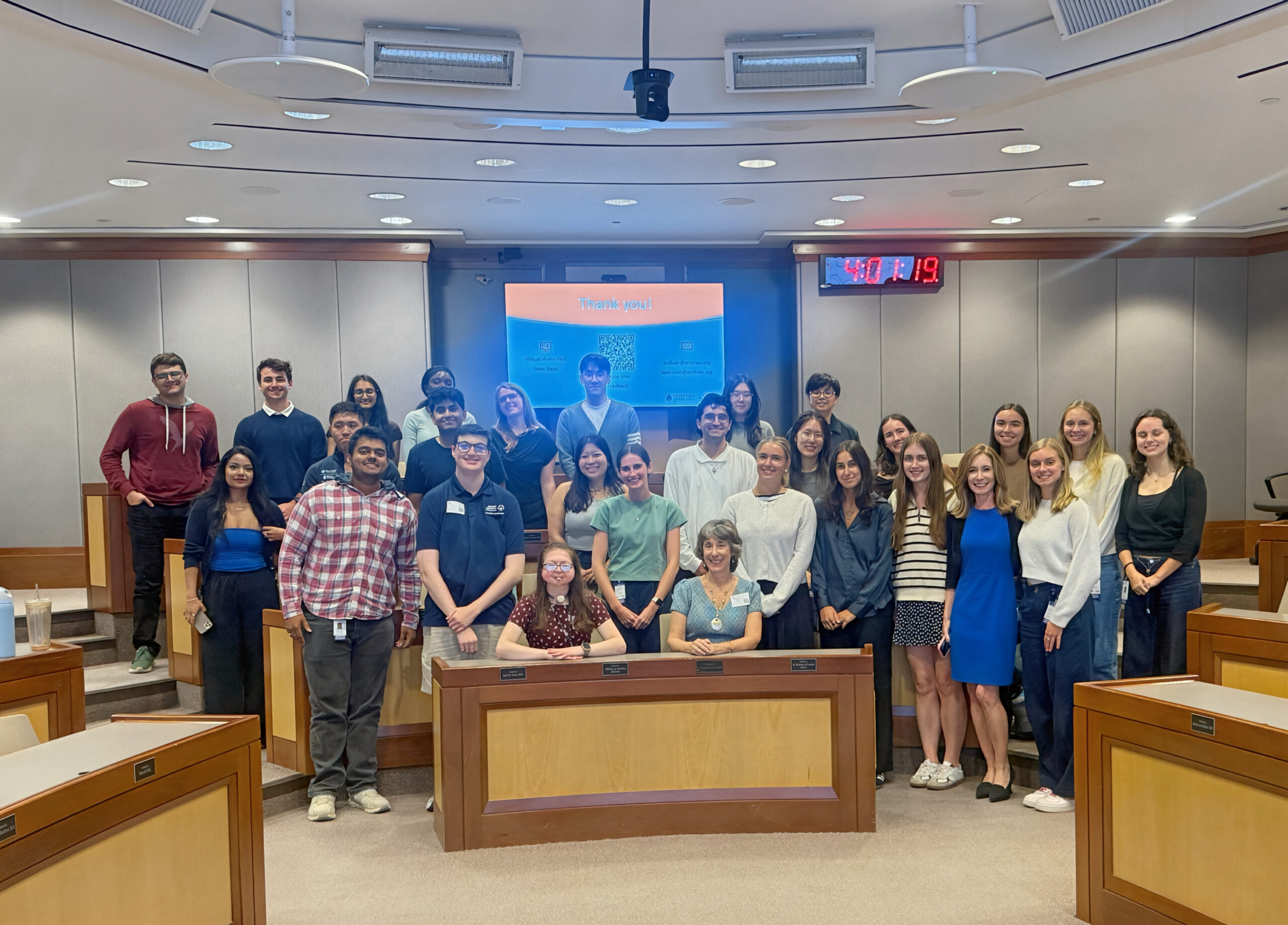
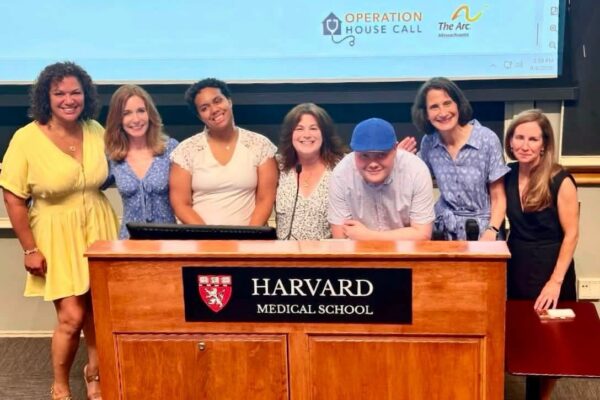
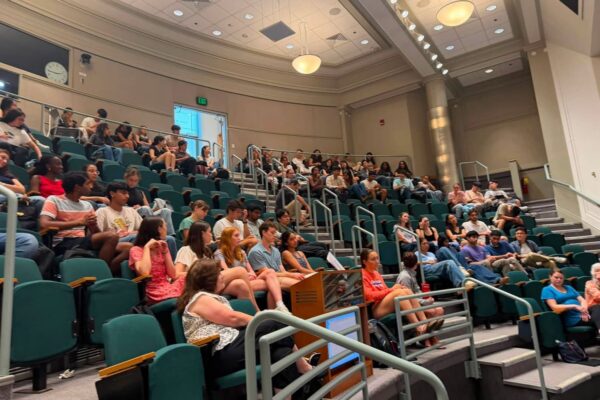
 Operation House Call recently taught a class of 170 Harvard medical and dental students.
A huge thank you to first-time co-teacher Jayden Christian! Every story she shared was powerful and a deeply meaningful learning opportunity. Along with co-teacher Jonathan Gardner, they brought emotion, humor, and lived experience that truly opened minds.
When we asked students for survey feedback and what they enjoyed in class, they said it best:
- “EVERYTHING!!!!!!!!!! This was the best session of all of medical school.”
- “This was one of the best TMEC sessions I have ever been to.”
- “I was laughing and crying the whole time. It was amazing.”
- “LITERALLY EVERYTHING.”
- “All behavior is communication.”
Thank you in advance to the dozens of OHC families who will now host home visits. These visits impact students for life!
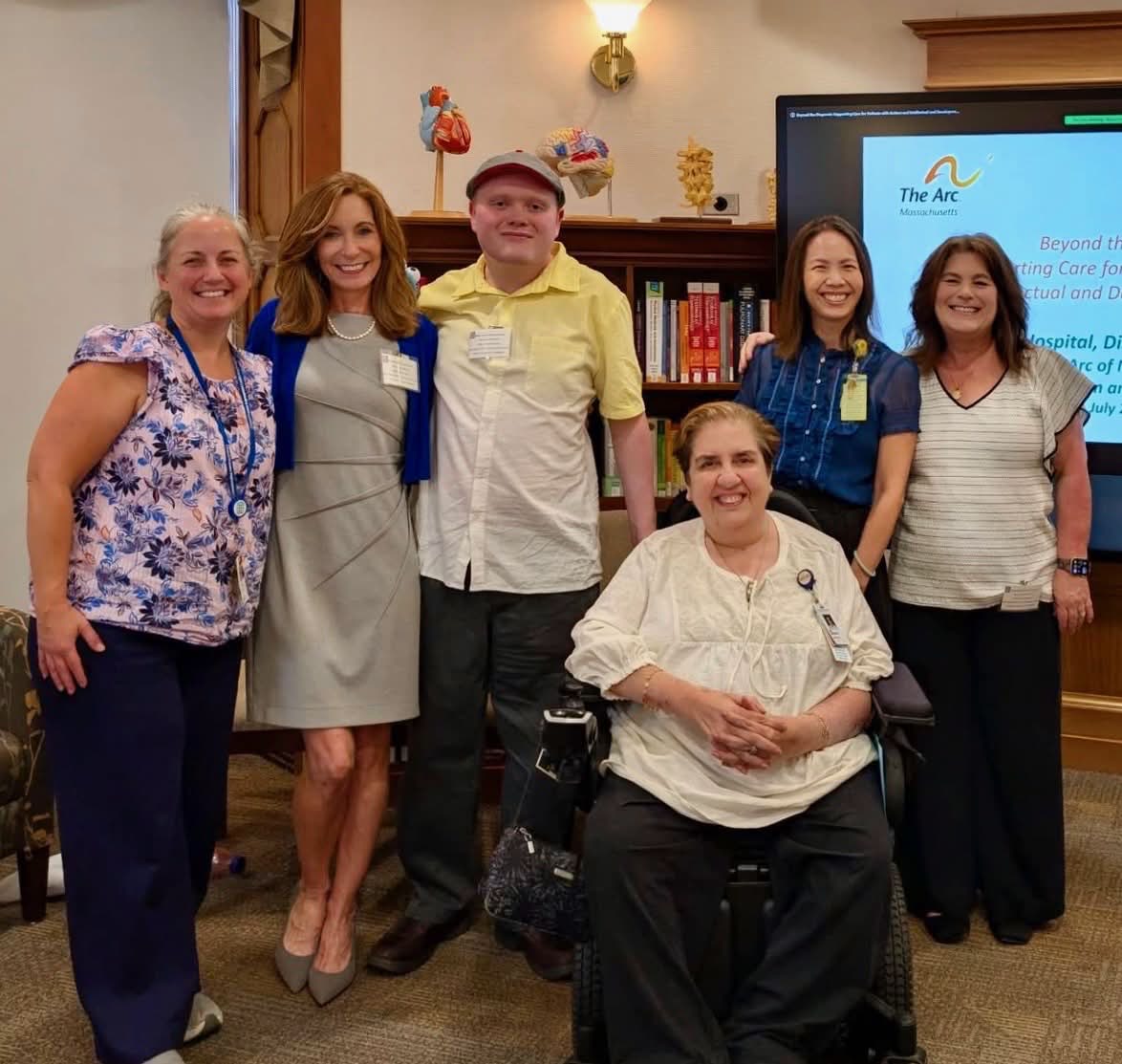
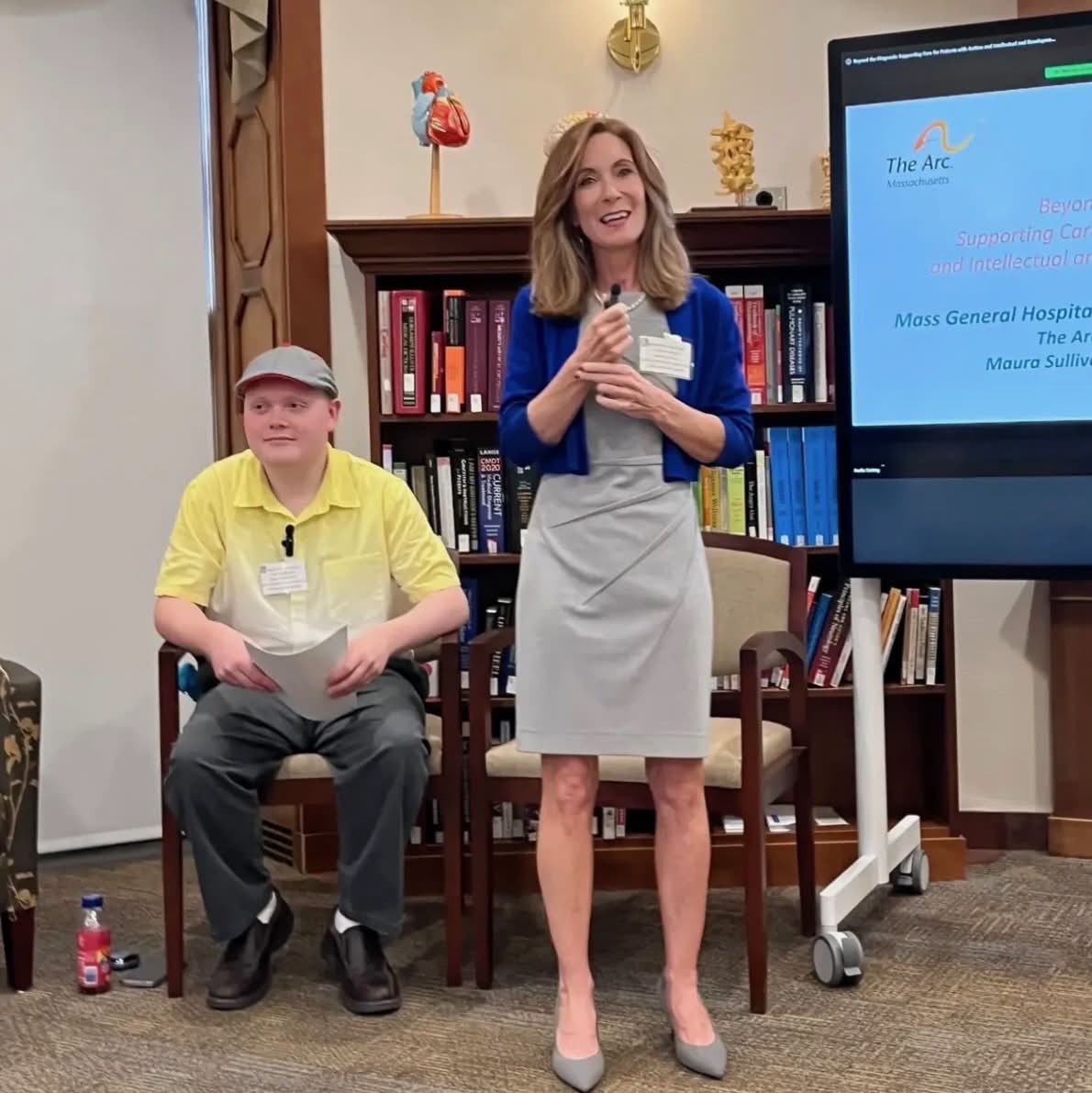
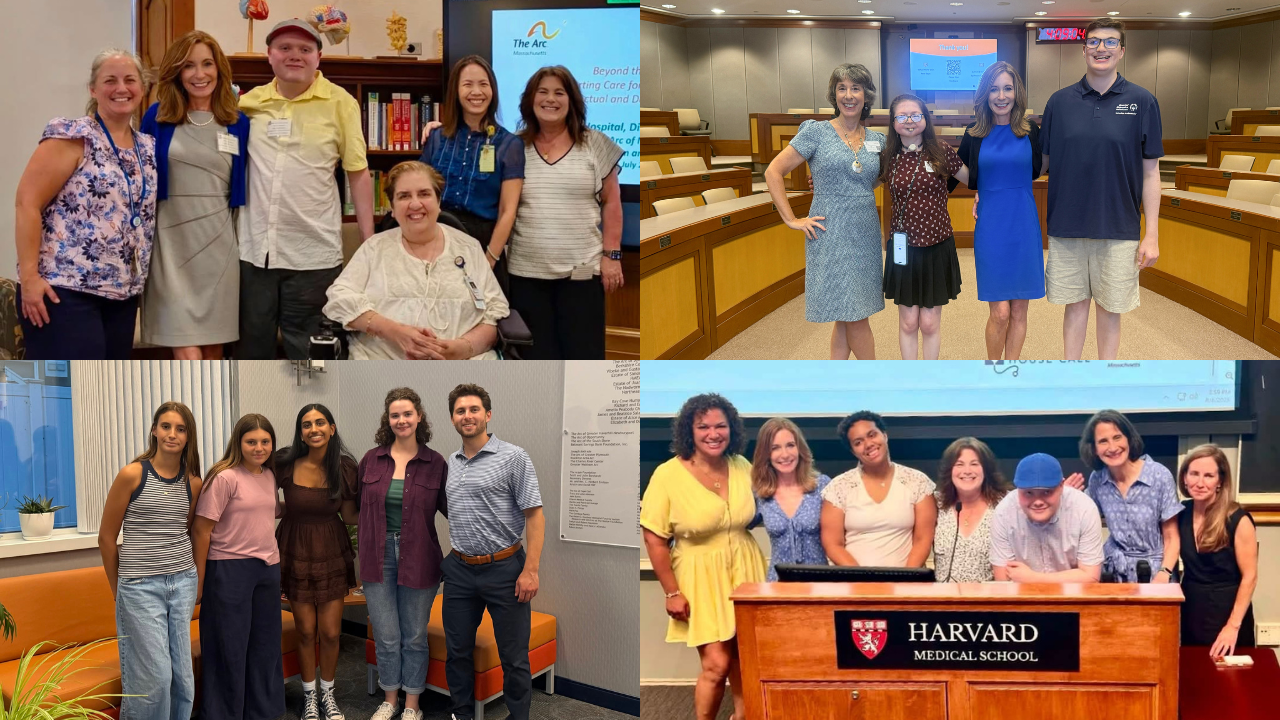
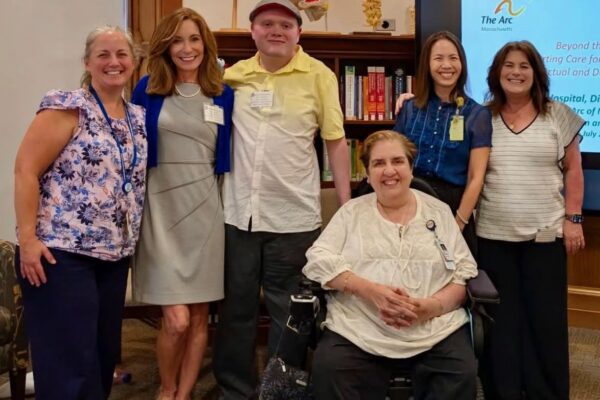
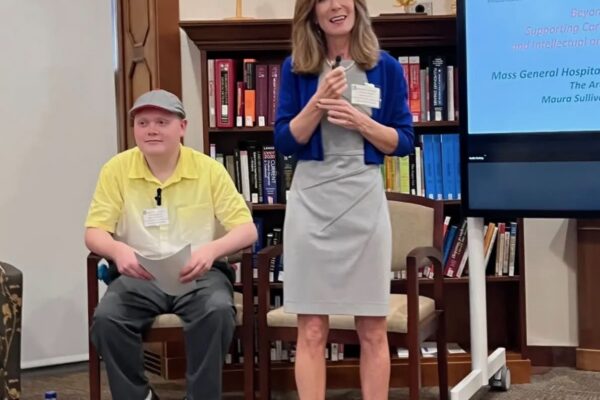
 Earlier this summer, Massachusetts General Hospital hosted the educational session,”Beyond the Diagnosis: Supporting Care for Patients with Autism and Intellectual and Developmental Disabilities.” The Arc’s CEO Maura Sullivan and Jonathan Gardner shared the Operation House Call curriculum, the current disability landscape, and their expertise and lived experiences. They offered important strategies to help healthcare professionals better support individuals with autism and intellectual and developmental disabilities, as well as their families.
Opportunities to educate our healthcare professionals at hospitals like MGH are rare, but we are advocating strongly for our Healthcare Standards bill that would mandate continuing education and standards of care.
Hospital visits should accommodate all people with disabilities, regardless of the challenges and not end in missed diagnosis, failed diagnostic tests, readmissions or traumatic events.
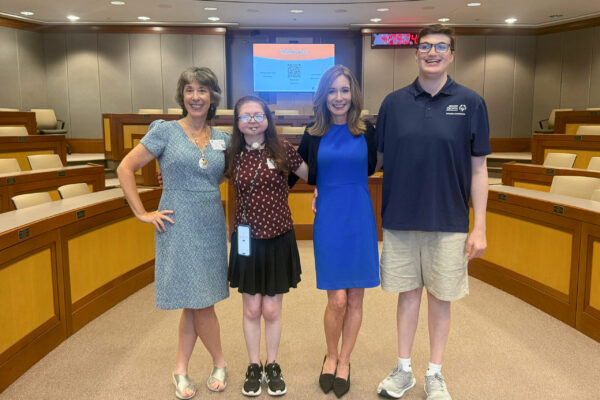
 On August 26, the Operation House Call class at UMass Chan Medical School brought first-year medical students together with our OHC co-teachers, Julia Cobb and Daniel O’Donnell, for a conversation grounded in lived experience. Julia and Daniel shared their experiences of disability, sparking lots of thoughtful questions and discussion. Special congratulations to Daniel on his first time co-teaching with OHC!
Maura Sullivan, CEO of The Arc of Massachusetts, and OHC Educator Betsy Johnson shared their own stories and experiences while exploring the many lessons that can shape better healthcare. Among them: behavior is information, communication can look different, and diagnostic overshadowing can prevent us from seeing the whole person.
Four teachers, four perspectives, one classroom, and a lot of learning.
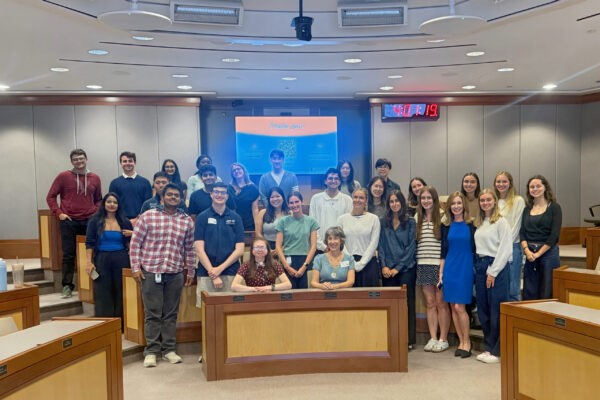
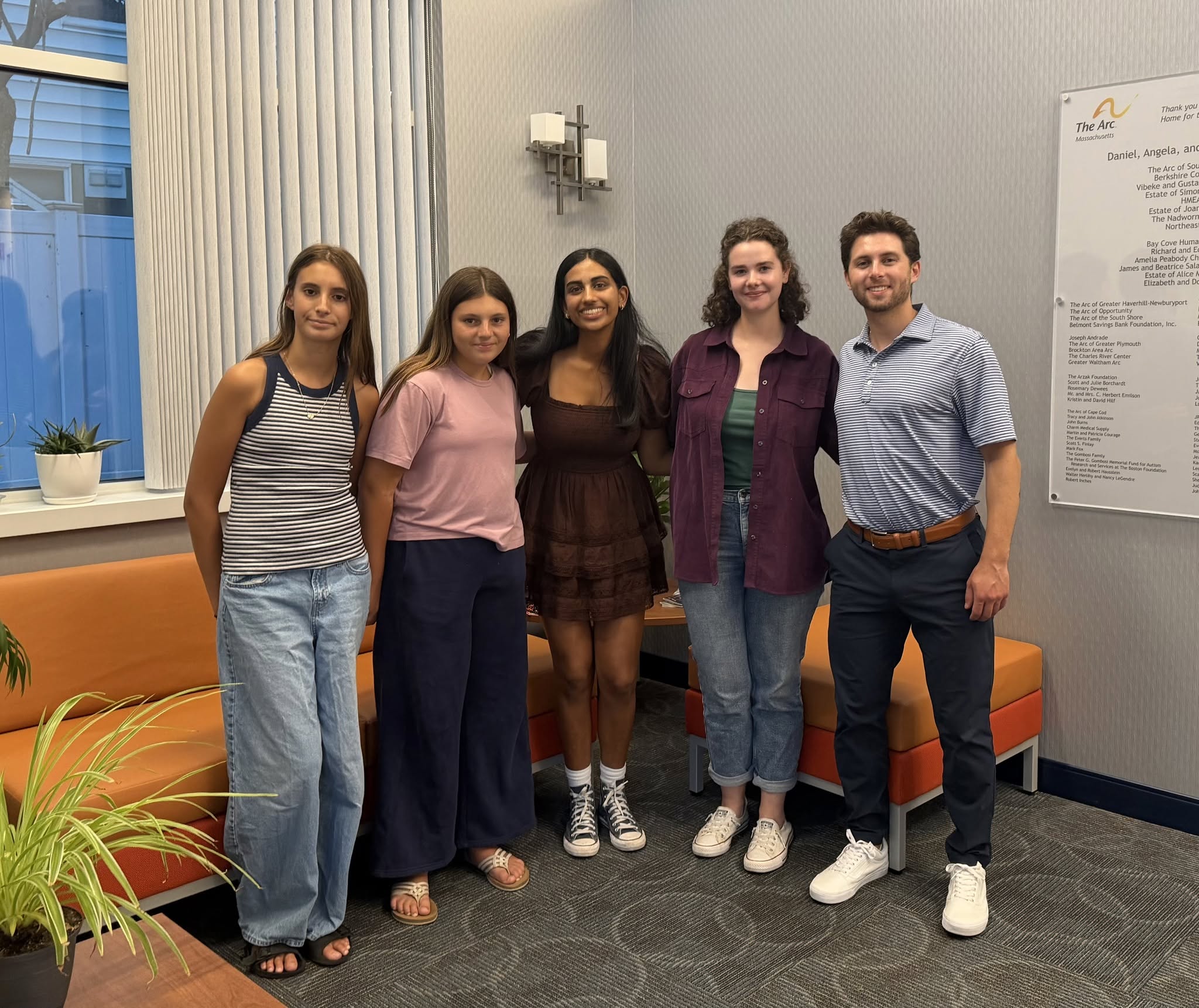
 On August 5, OHC kicked off our new Sibling Network! Event organizer, OHC Intern Leela Uppaluri, shares her thoughts.
Our first Sibling Network meeting was a wonderful evening of connection, conversation, and learning. We began by sharing our experiences as siblings of people with autism and other intellectual and developmental disabilities.
Although we represented a wide range of ages and backgrounds, we quickly discovered how much we had in common. The conversation was honest, thoughtful, and incredibly supportive. Older siblings shared advice and perspective with younger siblings, while everyone had the opportunity to learn from one another’s experiences.
We were then joined by CEO Maura Sullivan, who led a presentation on disability advocacy. Her presentation helped us think about advocacy not just as something that happens on a large scale, but as something we can all participate in. We left our first meeting with new connections, new ideas, and a stronger sense of what we can accomplish together as a sibling community.
The Sibling Network will meet again in the winter. If you know a sibling who may be interested in connecting, fill out this interest form and Leela will be in touch!

As part of The Arc of Massachusetts and Advocates for Autism of Massachusetts (AFAM) public comment on the Interagency Autism Coordinating Committee’s (IACC) 2026–2028 Strategic Plan Working Draft, we submitted the following comments related to healthcare strategy.
Healthcare Equity, Diagnostic Protocols, and Workforce Training Life Course Domain I (pp. 183–192) & Domain IV (p. 210)
Addressing diagnostic overshadowing—where acute medical issues or pain are mistakenly presumed to be “just autism”—requires both systemic clinical pathways and mandatory workforce preparation. Health equity must also be addressed across racial, ethnic, and socioeconomic lines. Racially and ethnically marginalized children and adults and those in low-income families can face compounded barriers to timely developmental surveillance, screening, and accurate diagnosis. The IACC should explicitly recognize these disparities and support strategies that improve equitable access to culturally responsive support systems.
Standardized Healthcare Training via Operation House Call (OHC): Diagnostic protocols alone cannot succeed if clinicians lack foundational training. We recommend that federal guidelines advocate for integrating standardized healthcare curricula—modeled on The Arc of Massachusetts’ Operation House Call (OHC)—across medical, nursing, dental, and allied health education. By engaging families and self-advocates as paid educators, OHC builds provider confidence, addresses attitudinal barriers, reduces implicit bias, and embeds two foundational clinical concepts:
-
- Combating Diagnostic Overshadowing: Explicitly training future providers to look beyond an autism diagnosis when an individual experiences acute functional decline, sleep disturbance, or behavioral shifts, ensuring underlying medical, gastrointestinal, or neurological issues are thoroughly investigated.
- Understanding Behavior as Communication: Teaching clinicians that distressed behaviors, self-injury, or agitation are often the primary means of communicating unmet physical needs, pain, or severe sensory overload—especially for nonspeaking individuals.
Procedural Access and Safe Sedation: As highlighted by community advocates, diagnostic pathways must account for individuals with profound autism who cannot safely tolerate testing. We urge that clinical guidelines explicitly address accessible protocols for sedation or anesthesia during MRIs, EEGs, blood draws, and dental procedures.
Sensory-Adapted Emergency & Crisis Protocols: Autistic individuals in distress face prolonged emergency department boarding in environments (high noise, bright lights, lack of routine) that exacerbate crisis states. We call for federal recommendations to mandate sensory-adapted emergency room pathways and require clinicians to screen for physical pain, catatonia, or seizure activity before classifying an acute presentation solely as a psychiatric crisis.